The Need for Resilient Building Materials
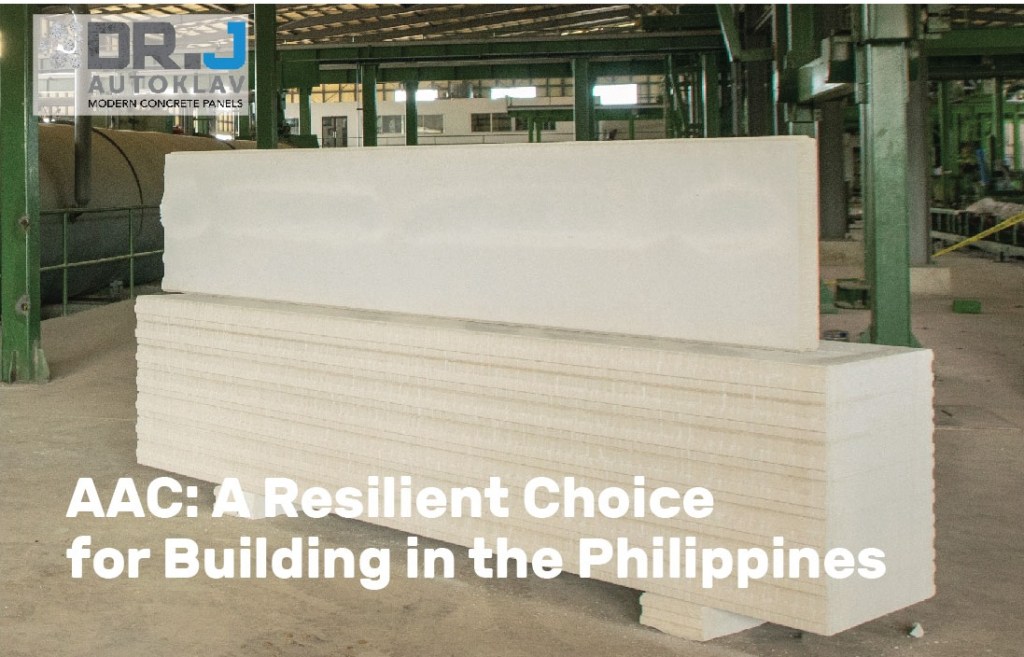
In today’s world, characterized by increasingly extreme weather events and rising sea levels, the need for resilient building materials has never been more pressing. Traditional construction methods often fall short in providing the necessary protection against natural disasters. Autoclaved Aerated Concrete (AAC) emerges as a promising solution, offering a suite of properties that make it an ideal choice for building more resilient structures.
AAC: A Fireproof Fortress
One of AAC’s most significant advantages is its exceptional fire resistance. In the Philippines, where the risk of fire is a constant concern, especially in urban areas, this property is invaluable. AAC is a non-combustible material that can help prevent the spread of fire within a structure. When combined with a cement stucco finish, AAC can provide a formidable barrier against flames.
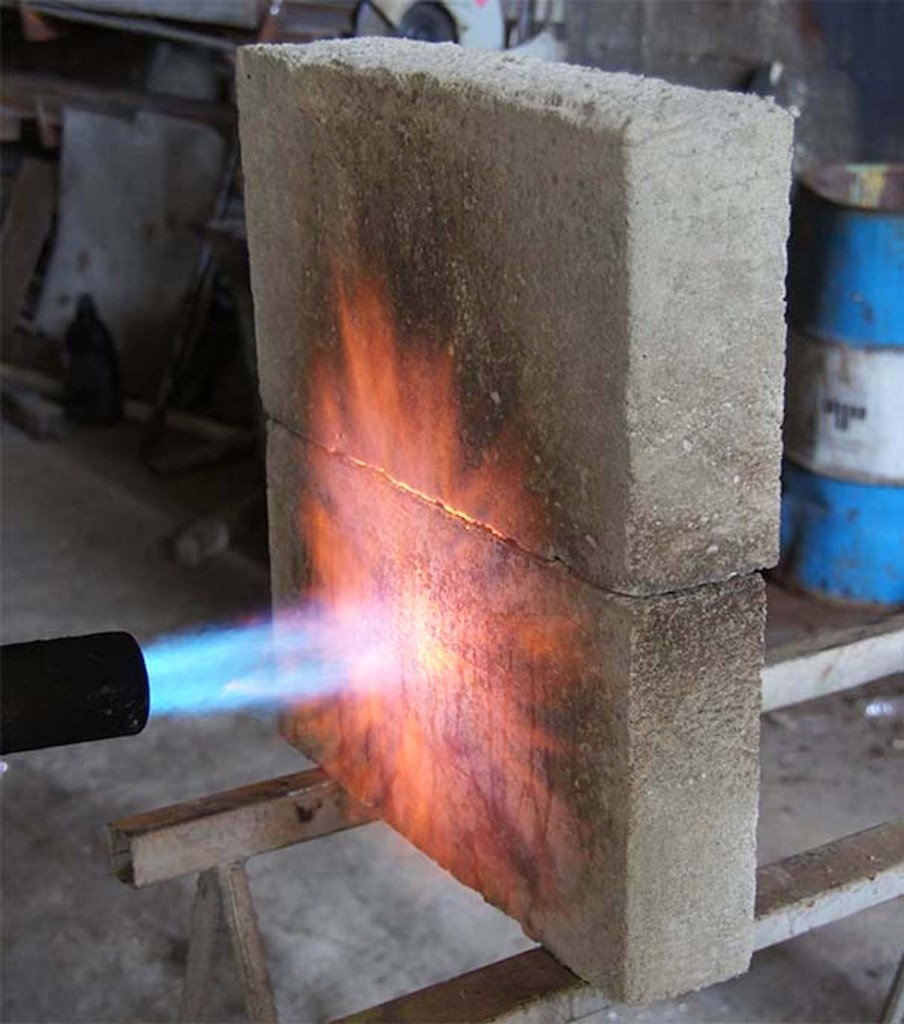
AAC’s unique structure also contributes to its fire resistance. The material contains water in a crystalline form that acts as a heat sink. When exposed to fire, this water is converted into steam, which is released through AAC’s porous structure without causing surface spalling. This heat-absorbing property helps to slow down the progression of a fire, giving occupants more time to escape and firefighters more time to contain the blaze.
Resilient Against Floods
The Philippines is prone to frequent flooding, making it essential to consider the material’s resistance to moisture. AAC excels in this regard. While it can absorb moisture, it is designed to dry out without suffering lasting damage. In fact, AAC can act as a seasonal moisture buffer, absorbing excess moisture during wet periods and releasing it during dry spells.
AAC’s non-porous structure prevents capillary action, limiting the penetration of moisture into the material. Only the surface in direct contact with water is affected. Additionally, AAC’s inorganic composition eliminates the risk of decay, mold, and mildew, common problems in moisture-prone environments.
A Defense Against Insects
In tropical regions like the Philippines, termites pose a significant threat to wooden structures. AAC offers a durable alternative to wood, providing protection against these destructive insects. Its dense, inorganic composition makes it an inhospitable environment for termites and other pests.
Conclusion
As the world faces increasing challenges due to climate change and natural disasters, the demand for resilient building materials is growing. AAC’s combination of fire resistance, flood tolerance, and insect resistance makes it a compelling choice for construction projects in the Philippines. By incorporating AAC into building designs, architects and engineers can help create structures that are not only durable but also safer and more sustainable.
For more information about how AAC can be a modern solution to your construction needs contact Europhil Advanced Material & New Technology Inc. regarding Dr.J Autoklav AAC at 8Flr. Metrobank Plaza Bldg. Osmeña Blvd. Cebu City, or Unit 1717, Cityland 10 Tower 1, 154 H.V. Dela Costa, Makati, Metro Manila, Philippines. +63997-216-0800, +63946-355-5501 Email: info@DrJ-Autoklav.com
 Dr.J AAC
Leave a comment